
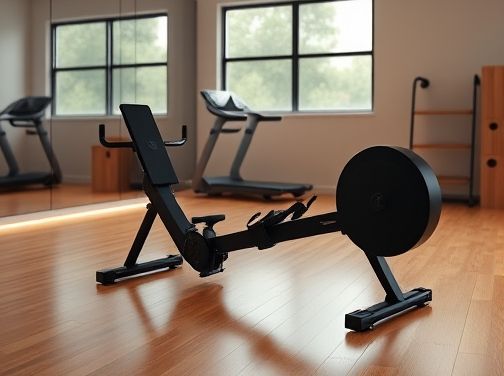
Choosing a Rowing Machine
What to Look for in a Rowing Machine
When selecting a rowing machine, the goal is to find equipment that delivers an effective cardiovascular workout while also being comfortable and durable enough for regular use. Below are the key factors you should evaluate before making your purchase.
1. Resistance Type
- Magnetic resistance: Provides a smooth, quiet stroke with adjustable levels controlled electronically or via a dial. Ideal for home gyms where noise matters.
- Air resistance: Uses a fan; the harder you row, the more resistance is generated. Offers a natural feel but can be noisy and requires space to accommodate the airflow.
- Water resistance: Mimics real water rowing; the paddle interacts with water in a tank. It’s quieter than air but often heavier and pricier.
- Hydraulic (piston) resistance: Compact and silent, but can feel uneven at high speeds and may not provide enough challenge for advanced users.
2. Build Quality & Frame Material
A robust frame ensures stability during vigorous sessions. Look for machines with a steel or aluminum frame rather than plastic. Check the weight capacity; most consumer models support 300–400 lbs, but athletes may require higher limits.
3. Smoothness of Motion
The rowing stroke should feel fluid and consistent. Inspect the seat track—steel tracks with proper lubrication reduce friction. Some machines feature a “trackless” design that eliminates the need for a sliding rail entirely, offering an even smoother glide.
4. Console Features
- Display: Track time, distance, calories, heart rate (if sensor compatible), and stroke count.
- Connectivity: Bluetooth or ANT+ for syncing with apps like MyFitnessPal, Peloton, or Strava.
- Workout programs: Pre‑set intervals, endurance drills, or customizable routines.
5. Noise Level
Air and water machines tend to produce more noise than magnetic ones. If you share a living space, consider a machine rated under 50 dB during moderate use.
6. Size & Storage
Measure your available floor space. Many models fold or come with wheels for easy movement. Check the footprint: width, depth, and height are critical if you plan to store it in a closet or attic.
7. Comfort & Ergonomics
- Seat: Look for padded seats with adequate lumbar support and adjustable forearm rests.
- Handlebar: Should fit your grip comfortably; some offer a dual‑handle design for varied workouts.
- Pads: Ensure the foot paddles or straps hold firmly without slipping during high‑intensity sessions.
8. Durability & Warranty
A solid warranty (typically 1–3 years) reflects manufacturer confidence in build quality. Pay attention to coverage on key components like the motor, seat track, and resistance mechanism.
9. Price vs. Performance
Entry‑level models can cost under $200 but may lack advanced features or durability. Mid‑range units ($400–$800) often balance performance and affordability. High‑end machines (> $1,000) offer premium build quality, advanced resistance control, and extensive training programs.
10. User Reviews & Brand Reputation
Read third‑party reviews to gauge real‑world performance. Brands such as Concept2, NordicTrack, WaterRower, and Sunny Health & Fitness have strong reputations for reliability and customer support.
By systematically evaluating these aspects—resistance type, build quality, motion smoothness, console features, noise level, size, ergonomics, warranty, price point, and brand trust—you’ll be well‑equipped to choose a rowing machine that fits your fitness goals, space constraints, and budget. Happy rowing!

How to Compare Resistance Types and Prices
When you’re shopping for a rowing machine, the resistance mechanism is one of the most critical factors that determines both performance and budget. The three main types—magnetic, water, and air—each have distinct characteristics that influence feel, noise level, maintenance, and cost. This section will walk you through how to evaluate these options side‑by‑side so you can make an informed decision.
1. Understand the Basics of Each Resistance Type
- Magnetic: Uses a magnet that pulls against a metal flywheel. The resistance is adjustable electronically, providing a smooth, quiet workout that’s easy to fine‑tune.
- Water: Relies on a water-filled tank and paddle system. Resistance increases naturally as you row faster; the feel closely mimics real boat rowing.
- Air (Fan): Employs a fan driven by the flywheel. The harder you pull, the more air resistance builds up—similar to running or cycling on an outdoor track.
2. Compare Key Performance Factors
Feel & Feedback: Water offers a “wet” sensation that many athletes love, while magnetic provides consistent resistance regardless of speed. Air feels more like outdoor cardio but can feel uneven at low intensities.
Noise Level: Magnetic is the quietest, making it ideal for apartments or shared spaces. Water and air are louder—especially when running fast—so consider your environment.
Maintenance: Water machines need occasional water changes and can be prone to leaks. Air units require regular cleaning of the fan blades. Magnetic systems generally have the lowest upkeep because they’re sealed inside the frame.
3. Evaluate Pricing Across Categories
The price spectrum for rowing machines largely hinges on resistance type, brand reputation, and additional features such as built‑in screens or Bluetooth connectivity. Below is a general guideline:
- Magnetic: Entry‑level models start around $300–$400. Mid‑range units (often featuring adjustable resistance levels and larger flywheels) range from $500 to $800. Premium magnetic rowers can exceed $1,200 when they include advanced ergonomics or high‑resolution displays.
- Water: Basic water‑resistance machines typically fall between $400–$700. Mid‑tier options (with larger tanks and better build quality) sit around $800–$1,100. High‑end models that incorporate premium materials and smart features can cost upwards of $1,300.
- Air: Air rowers are usually the most affordable: budget units start near $250, while mid‑range models range from $350 to $600. Premium air machines—often with larger flywheels and enhanced cushioning systems—can reach $900–$1,200.
4. Factor in Long‑Term Value
A lower upfront cost doesn’t always mean a better deal. Consider the following when comparing prices:
- Durability: A sturdier frame and higher‑quality components may justify a higher price tag if they reduce repair costs over time.
- Warranty & Support: Machines that come with at least two years of warranty on major parts often indicate manufacturer confidence in longevity.
- Upgrade Potential: Some rowers allow you to swap out accessories (e.g., a magnetic flywheel for an air fan) to extend the machine’s life and versatility.
5. Practical Steps for Comparing Models
List your top three resistance types based on feel, noise tolerance, and maintenance willingness.
Use a spreadsheet or note app to record the price, key specs (flywheel weight, tank capacity, fan size), and user reviews for each model you’re considering.
Apply a weighting system: assign higher importance to factors that matter most to you (e.g., 5 points for noise level if you live in an apartment).
Calculate a weighted score for each machine. The one with the highest score is likely the best fit for your needs and budget.
By systematically comparing resistance types and prices, you’ll avoid common pitfalls such as overpaying for features you never use or buying a machine that’s noisy in a quiet living space. Take the time to research, test if possible, and read user feedback before making your final purchase.
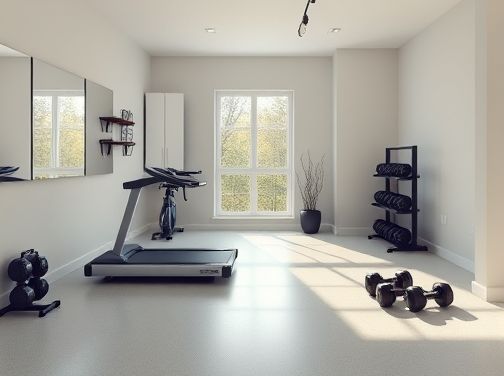
Choosing a Rowing Machine
When you’re deciding which rowing machine to bring into your home gym, the overall environment matters as much as the equipment itself. A well‑designed space can enhance your performance, protect your body, and keep you motivated for weeks of consistent training.
Setting Up Your Home Gym for Optimal Performance
A properly arranged workout area turns a simple room into an efficient training hub. Below are key steps to create a space that supports strength, endurance, and injury prevention—critical factors when integrating a rowing machine.
1. Pick the Right Location
- Flooring: Rowers exert force through the feet; a durable mat or rubber flooring reduces impact on joints and protects your hardwood or tile floor.
- Space Requirements: A standard rowing machine needs 7–8 ft of length and about 3.5 ft of width. Add extra room for stretching and accessory equipment.
- Ventilation & Lighting: Good airflow keeps you comfortable during high‑intensity sessions, while bright lighting prevents eye strain on your monitor or screen.
2. Control the Environment
- Temperature: Aim for 68–72 °F (20–22 °C). A cooler room can cause early fatigue; a hotter one risks overheating.
- Noise Level: If you’re in an apartment, consider sound‑absorbing panels or a rug to dampen the clack of the rowing machine’s flywheel.
- Air Quality: A small fan or air purifier helps maintain circulation and reduces stale air that can affect breathing efficiency.
3. Arrange Your Equipment Strategically
- Central Placement of the Rowing Machine: Position it in the middle of the room so you can see your monitor or TV screen directly ahead, reducing neck strain.
- Accessory Storage: Keep resistance bands, medicine balls, and a small set of dumbbells within arm’s reach but off the floor to avoid tripping hazards.
- Mirrors: A full‑length mirror allows you to check form in real time—critical for rowing where posture dictates efficiency.
4. Optimize Your Setup for Recovery and Warm‑up
- Stretching Zone: Allocate a corner with a yoga mat or foam roller for dynamic warm‑ups before you hit the seat.
- Hydration Station: Place a water bottle or jug within arm’s reach to stay hydrated without breaking rhythm.
- Posture & Core Support: Consider a stability ball or ab wheel nearby for core strengthening exercises that complement rowing.
5. Maintain Cleanliness and Safety
- Regular Cleaning: Wipe down the machine’s handle, footplates, and display after each session to prevent sweat buildup.
- Cable Management: Secure any cords or cables with clips or a cable cover to avoid tripping hazards.
- Inspection Routine: Check for loose screws or worn parts monthly; a small maintenance schedule extends the life of your machine.
6. Personalize Your Space
Incorporate motivational posters, a music system, or a smart speaker to keep you energized. Personal touches turn an ordinary room into a sanctuary that feels as rewarding as a professional studio.
By thoughtfully selecting the location, controlling environmental factors, arranging equipment efficiently, and ensuring safety and recovery zones, you create a home gym that amplifies the benefits of your rowing machine. This foundation not only improves performance but also turns each workout into an enjoyable, injury‑free experience—key to staying consistent on the path to peak fitness.
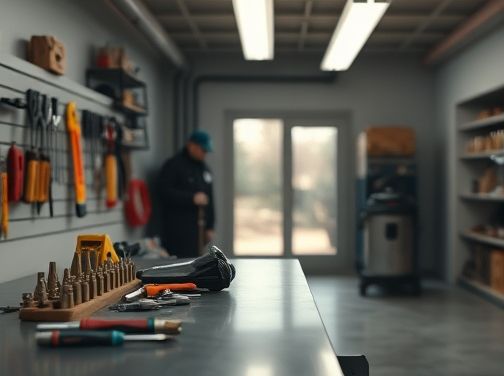
Common Maintenance Tips for Longevity
When you invest in a rowing machine, you’re not just buying a piece of exercise equipment—you’re purchasing a long‑term companion that should serve you well through countless workouts. The key to maximizing its lifespan lies in routine care and mindful usage. Below are practical maintenance tips that will keep your machine running smoothly and safely for years.
1. Keep the Surface Clean
- Wipe down after each session: Use a soft, damp cloth with mild soap to remove sweat and grime from the frame, console, and footplates. Avoid harsh chemicals that can degrade rubber or paint.
- Prevent dust buildup: Periodically sweep around the machine and between joints to keep debris from clogging moving parts.
2. Lubricate Moving Parts Regularly
- Check the chain or belt: If your machine uses a chain, apply a few drops of light machine oil every 200–300 hours of use. For belt‑driven models, inspect for wear and replace if it shows visible cracks.
- Slide rods and pivot points: Use silicone spray or the manufacturer’s recommended lubricant on slide rails to reduce friction and prevent squeaks.
3. Inspect the Footplates
- Tighten bolts: Tighten footplate screws every few months to maintain proper alignment and avoid wobbling during intense rowing sessions.
- Replace worn pads: Rubber footpads should be replaced if they become brittle or visibly damaged, as this can compromise grip and safety.
4. Maintain the Console and Display
- Clean the screen gently: Use a microfiber cloth to wipe away fingerprints and smudges without scratching the surface.
- Check cables: Inspect the data cable for fraying or damage; replace if necessary to ensure accurate performance metrics.
5. Store Properly When Not in Use
- Cover the machine: Use a breathable cover or towel to protect from dust and moisture, especially in high‑humidity environments.
- Avoid extreme temperatures: Keep the rowing machine away from direct sunlight, heating vents, or cold drafts that could warp plastic components.
6. Perform Periodic Mechanical Checks
- Test the resistance mechanism: Whether magnetic, air, or water, ensure the resistance setting responds smoothly and consistently across its range.
- Listen for odd noises: A new squeak or grinding sound can indicate misalignment or a need for lubrication; address it promptly to prevent larger issues.
7. Follow Manufacturer Guidelines
- Read the manual: Manufacturers often provide specific care instructions tailored to their models, including recommended oils and replacement intervals.
- Schedule professional servicing: For high‑end or commercial machines, consider annual inspections by a qualified technician to catch wear before it becomes problematic.
8. Use the Machine as Intended
- Avoid overloading: Do not exceed the machine’s weight limit; this can stress joints and compromise structural integrity.
- Mind your technique: Proper rowing form reduces undue strain on the machine’s components, ensuring a longer life and better workout experience.
By incorporating these maintenance practices into your routine, you’ll safeguard your investment and enjoy a reliable, efficient rowing experience for many years. Regular care not only preserves performance but also enhances safety—essential for staying injury‑free while pushing toward fitness goals.
Choosing the Right Model for Your Fitness Goals
When it comes to selecting a rowing machine, one of the most critical decisions you’ll make is choosing a model that aligns with your personal fitness objectives. Rowing is a versatile full‑body workout, but not every machine offers the same features, resistance types, or performance metrics. By understanding how different models cater to various goals—whether it’s weight loss, endurance training, strength building, or rehabilitation—you can invest in equipment that truly supports your journey.
1. Define Your Primary Goal
Before you even start scrolling through product listings, ask yourself what you want to achieve:
- Weight Loss & Cardiovascular Health: Focus on machines that provide adjustable resistance and allow for high‑intensity intervals.
- Endurance & Distance Training: Look for models with a large pool of pre‑set workouts and a smooth, consistent glide to maintain steady pacing.
- Strength Development: Choose a machine that offers robust magnetic or air resistance, which can be scaled up to challenge your muscles effectively.
- Rehabilitation & Low‑Impact Workouts: Opt for water‑driven or magnetic models with gentle resistance curves and adjustable seat positions.
2. Resistance Mechanisms Matter
The type of resistance a rowing machine uses directly influences the feel, noise level, and training potential.
- Air Resistance (Flywheel): Ideal for high‑intensity interval training; resistance increases with speed, mimicking outdoor rowing. However, it can be noisy.
- Magnetic Resistance: Offers a quiet, smooth experience and precise control over resistance levels—great for both beginners and seasoned athletes.
- Water Resistance: Provides the most authentic rowing feel; resistance naturally adjusts with your stroke speed. The downside is that it’s heavier and requires more maintenance.
- Hydraulic/Linear Air (Hybrid): Combines elements of air and magnetic systems, delivering a balanced experience for varied training regimes.
3. Look at the User Interface & Data Tracking
Modern rowing machines come equipped with touchscreens or digital displays that record metrics such as distance, pace, calories burned, stroke rate, and heart rate zones. If you’re a data‑driven athlete, prioritize models that sync with fitness apps (Strava, Garmin Connect) or support Bluetooth connectivity for real‑time monitoring.
4. Consider Space & Portability
Your living space can dictate the type of machine you can accommodate. Folding models are perfect for apartments or shared spaces, while stationary units offer more stability and a higher weight capacity—beneficial if you plan to train at maximum intensity.
5. Budget vs. Longevity
A high‑end machine often comes with advanced features and superior build quality, but it’s not always necessary for beginners or casual users. Many mid‑range models provide excellent performance without breaking the bank. When evaluating cost, factor in potential maintenance (e.g., replacing bearings on air machines) and warranty coverage.
6. Test Before You Buy
If possible, visit a local fitness store or gym that offers a variety of rowing machines. Try different resistance levels and pay attention to the machine’s feel: Is the glide smooth? Does the seat move comfortably? Are you able to maintain proper posture without strain?
Conclusion
Choosing the right rowing machine is more than picking the most popular or the cheapest option—it’s about aligning equipment with your specific fitness goals. By evaluating resistance type, data capabilities, space constraints, and budget, you’ll find a model that not only fits your lifestyle but also propels you toward your personal best.